
Seasonal
Hurricane Storm Debris Cleanup Beaufort, SC
Pre-storm yard prep and post-storm debris cleanup for Beaufort, SC. Flat-rate roll-off dumpsters for downed trees, surge damage, and hurricane season cleanup.
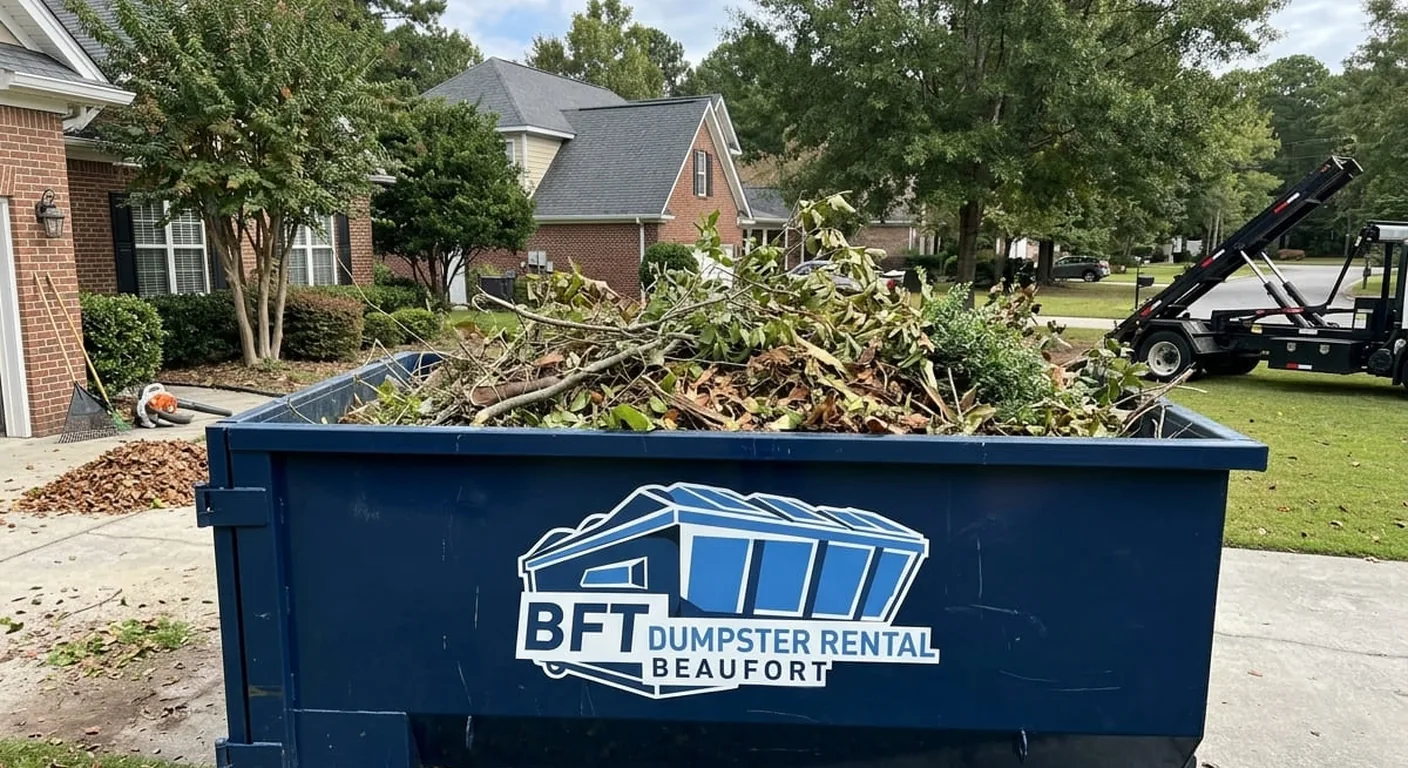
If you live anywhere on Port Royal Island, Lady's Island, or the Sea Islands around Beaufort, hurricane season isn't an abstract risk on a map — it's a stretch of the calendar you plan around. From June through November, tropical systems moving up from the Atlantic and the Gulf can bring tropical-storm-force wind, torrential rain, and storm surge to the Beaufort River, Port Royal Sound, and the tidal creeks that wind through the county. Whether or not a storm makes a direct hit, the Lowcountry's mature tree canopy and low-lying terrain mean debris cleanup is almost always part of the aftermath. Having a plan for where that debris goes — before the season starts and again the moment the wind dies down — is one of the most practical things a Beaufort homeowner or property manager can do.
Why Hurricane Season Is Different Here
Unlike a lot of the country, Beaufort doesn't deal with snow removal or spring thaw cleanup. Our defining seasonal event runs the other direction: heat, humidity, and six months of watching the tropics. Even a storm that stays offshore can drop enough rain and wind on Beaufort County to strip trees, flood low spots, and leave yards covered in branches, leaves, and torn siding. A direct landfall or a strong near-miss can multiply that many times over, with downed limbs blocking driveways, fences flattened, and yard debris piled against homes on Lady's Island, St. Helena Island, and the mainland alike. Because this is a recurring, predictable part of living here, it's worth thinking about debris logistics — not just storm safety — as its own seasonal task.
Before the Storm: Clearing Loose Debris From Your Yard
Every hurricane season, the properties that come through cleanup fastest tend to be the ones that went into the storm with a tidier yard. Loose material in your yard doesn't just create cleanup work later — in high wind it can become a projectile that damages your own home, a neighbor's, or a vehicle. Getting ahead of a forecast storm with a pre-season or pre-storm yard sweep is one of the simplest ways to reduce what you're dealing with afterward.
What to Move or Clear Before Wind Picks Up
Think about anything sitting loose on the ground or leaning against a fence: fallen limbs from earlier storms, stacked firewood, old fencing sections, loose roofing material, patio furniture that isn't tied down, and general yard clutter that's accumulated over the year. If you've been putting off a renovation cleanup, a landscaping haul-away, or clearing out a shed, hurricane season is a natural deadline to finally get it off the property. Renting a dumpster ahead of storm season — rather than waiting until after a storm when demand spikes and driveways are already full of debris — is the easier route for most homeowners. Our yard waste removal service and standard residential dumpster rental both work well for this kind of pre-storm cleanup, and a 20-yard dumpster is usually enough for a full property sweep of loose branches, old fencing, and general yard debris.
After the Storm: Downed Trees, Limbs, and Debris Cleanup
Once wind and rain move through, the real cleanup work usually starts with trees. Beaufort's mature live oaks, draped in Spanish moss, are beautiful most of the year but shed heavily in storms — long moss-covered limbs come down across yards, driveways, and sometimes roofs. Sabal palmettos, the state tree and a fixture of Lowcountry landscaping, tend to lose fronds in bulk during sustained wind even when the trunk itself holds up fine. Add in downed fencing, torn screen porch panels, damaged outdoor structures, and general yard debris, and a single property can generate a surprising volume of material in just a few hours of weather.
Spanish Moss Oaks and Palmettos: A Local Cleanup Pattern
Because live oak limbs are heavy, moss-draped debris tends to be bulkier and denser than it looks — a modest pile of oak limbs can fill a dumpster faster than expected. Palmetto fronds, by contrast, are bulky but light, so they take up volume without adding much weight. A property with a mix of both — common across Beaufort, Port Royal, and Lady's Island — often does best with a mid-to-large size that has room for both dense wood and bulky fronds. Our team can help you size that correctly over the phone once you describe what came down; call (854) 212-5294 and we'll walk through it with you.
For larger cleanups involving substantial tree debris, fencing, and structural material together, a 30-yard dumpster is often the right call, especially for whole-property cleanups after a significant storm. If you're not sure where your job lands, our guide on what size dumpster you need walks through the sizing logic in more detail.
Storm-Surge-Damaged Material Disposal
Storm surge and heavy tidal flooding bring a different category of debris than wind damage alone. Water intrusion can ruin drywall, insulation, flooring, cabinetry, and furniture — material that's often saturated, heavy, and starts breaking down quickly in Lowcountry heat and humidity. That combination means surge-damaged material needs to come out of a home promptly, both for the sake of the structure and for basic health and comfort while repairs are underway.
Because saturated drywall, carpet, and furniture are heavier than their dry equivalents, it's worth being realistic about weight when planning a dumpster for this kind of cleanup rather than assuming a size based on volume alone. We accept wood, drywall, flooring, and household furniture in our roll-off dumpsters as standard accepted materials, which covers the bulk of what surge damage typically ruins. Items like paint, solvents, and any fuel or propane containers that got wet or damaged still fall under our standard prohibited materials list and need to be handled separately — our team can point you toward the right disposal path for those if you run into them during cleanup.
Low-Lying and Marsh-Adjacent Properties
Beaufort's geography — tidal creeks, marsh-front lots, high water tables, and sandy soil in a lot of neighborhoods — means dumpster placement after a storm sometimes needs a little more thought than it would on a typical inland lot. Saturated ground near the marsh can be softer than usual right after heavy rain or surge, so we look at driveway and placement conditions on a case-by-case basis for marsh-adjacent and low-lying properties to make sure delivery and pickup go smoothly. If your property sits low or backs up to a tidal creek, mention that when you call so we can plan placement accordingly.
Working With Your Insurance Timeline
Many homeowners dealing with storm damage are also working through an insurance claim at the same time, and the two processes — physical cleanup and paperwork — don't always move at the same speed. A few practical habits help keep them compatible:
- Photograph and document damaged material before it goes in the dumpster, especially anything an adjuster might need to see — this is worth doing even for yard debris and fencing, not just structural damage.
- Confirm with your adjuster or insurer whether they need to inspect specific items in place before disposal, particularly for larger structural or contents claims.
- Once documentation is squared away, don't let debris sit longer than necessary — saturated material and downed limbs left too long can create secondary problems like mold, pests, or additional yard damage.
- If your timeline is tight, our same-day dumpster rental option can help you get a container on-site quickly once you're ready to start hauling material out.
We work with a lot of Beaufort County homeowners navigating this exact balance, and we're glad to talk through timing on a call so your cleanup and your claim move forward together rather than working against each other.
Choosing the Right Dumpster Size for Storm Debris
Storm cleanup jobs vary a lot in scale, from a single downed limb to a full-property sweep after a direct hit. Here's a general guide to help you think about sizing before you call:
| Cleanup Scope | Typical Debris | Suggested Size |
|---|---|---|
| Light pre-storm yard sweep | Loose branches, old fencing, general clutter | 10-yard to 15-yard |
| Moderate post-storm limb and yard debris | Oak limbs, palmetto fronds, downed fencing | 20-yard |
| Whole-property storm cleanup | Heavy tree debris, fencing, damaged structures | 30-yard |
| Surge damage with structural material | Saturated drywall, flooring, furniture, framing | 40-yard |
Every job is a little different, and mixed debris — say, tree limbs plus surge-damaged interior material — often calls for a judgment call rather than a strict formula. See our full dumpster sizes page for dimensions and capacity details, or just call us with a description of what you're dealing with.
Permits, Placement, and Local Guidance
If you need to place a dumpster on a public street rather than a driveway during storm cleanup, a temporary permit may be required — check with the City of Beaufort or Beaufort County depending on your location, especially since street conditions and right-of-way rules can shift temporarily after a major storm. For broader questions about waste handling and disposal regulations in South Carolina, the South Carolina Department of Environmental Services is the state agency of record. Our own guide to dumpster permits in Beaufort, SC covers the basics if you want more detail before you call.
Get Ahead of This Season's Cleanup
Whether you're clearing your yard before the next system enters the forecast or you're standing in a driveway full of oak limbs and palmetto fronds the morning after, BFT Dumpster Rental Beaufort delivers flat-rate roll-off dumpsters across Beaufort, Port Royal, Lady's Island, St. Helena Island, and the surrounding Lowcountry communities. One price covers delivery, pickup, and disposal, with no hidden fees. Call (854) 212-5294 to get a dumpster scheduled for pre-storm prep or book same-day for post-storm cleanup, and our team will help you size it right the first time.
Need a container in Beaufort or anywhere in Beaufort County? Call (854) 212-5294 and describe the job. We will name the size, the flat rate and a delivery slot — often the same day. No forms, no waiting on an email.